
Inspiring: When This Human Geography Major Couldn’t Find His Degree In Workday’s Dropdown, He Picked One That Sounded More Employable
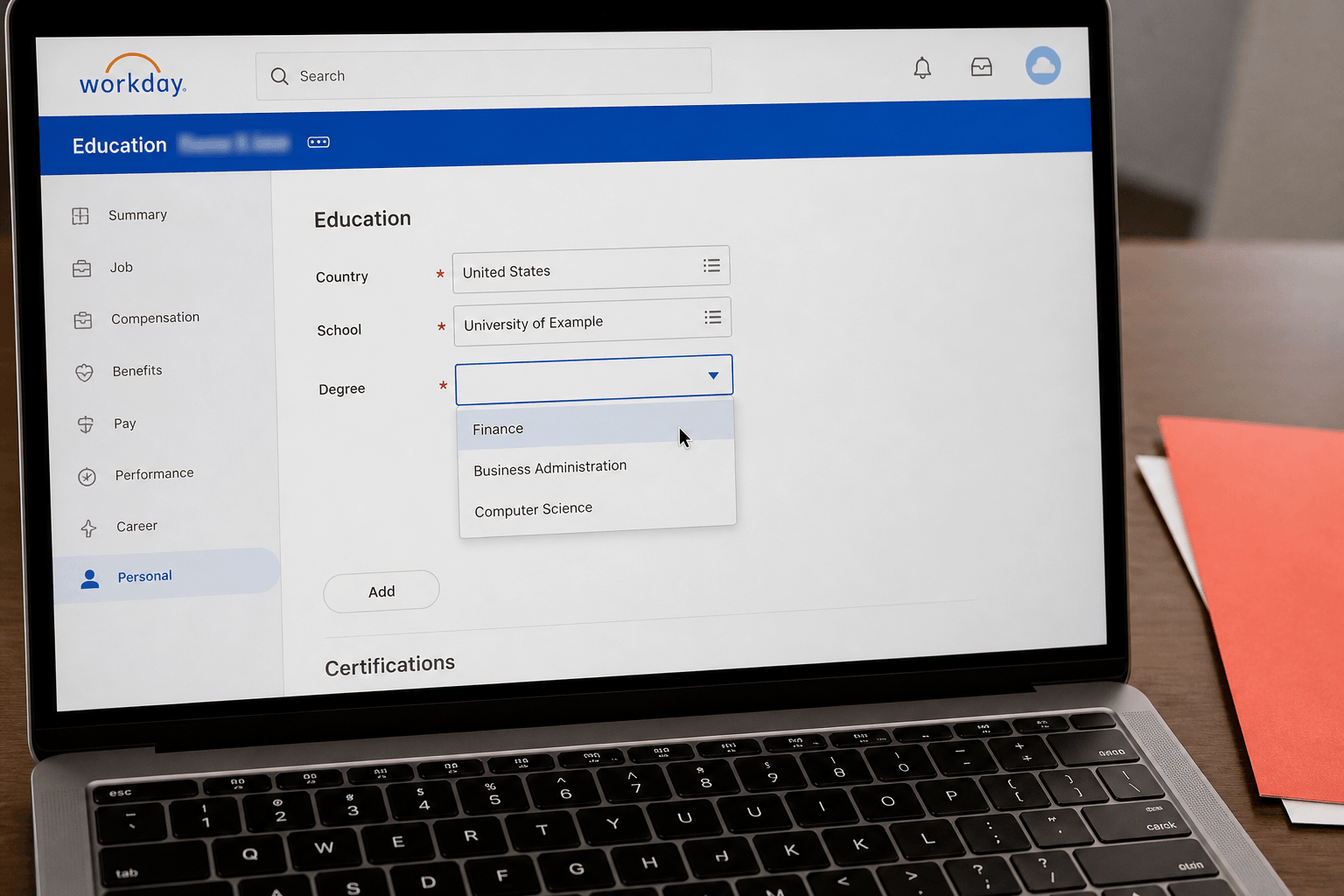
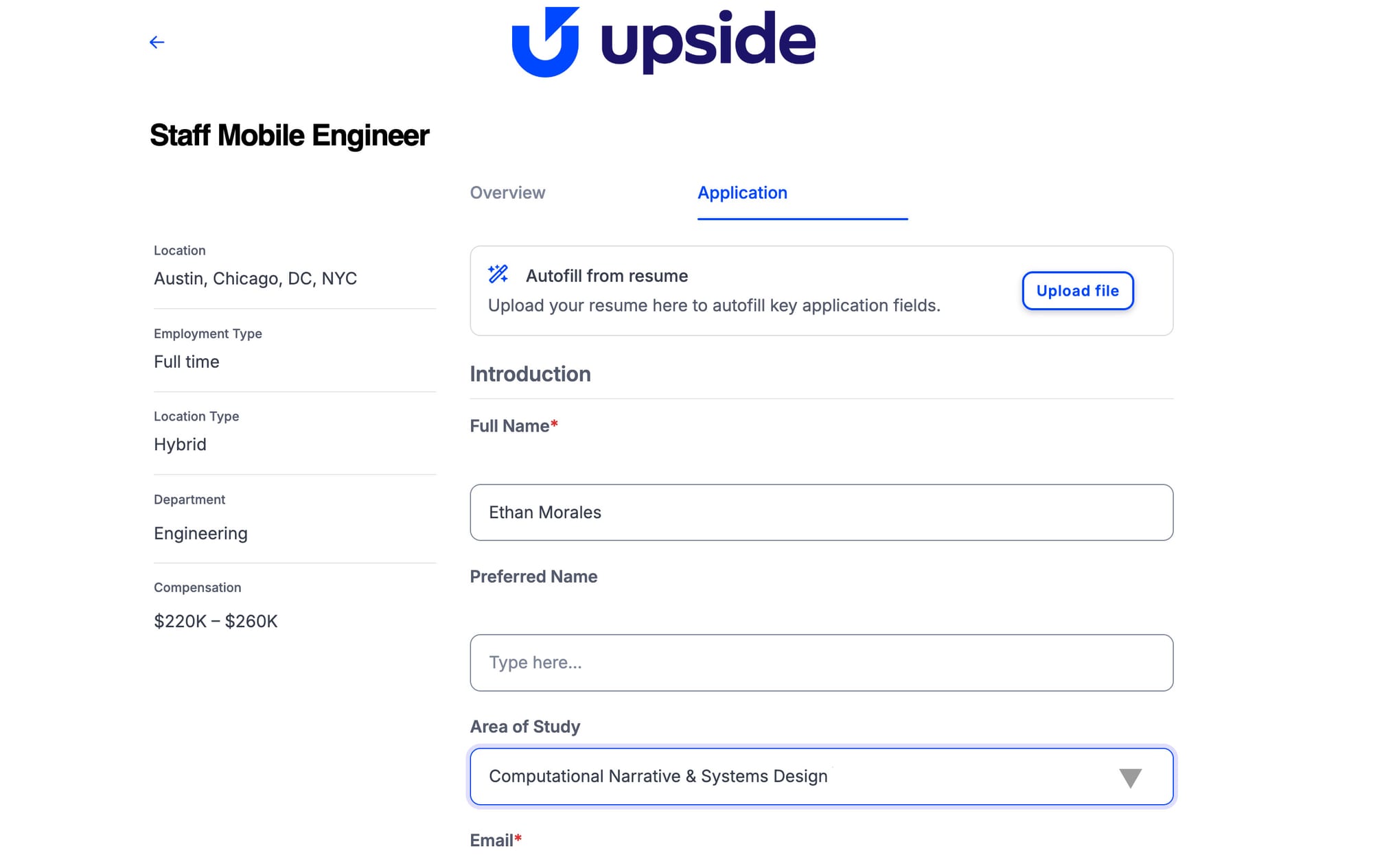
Human geography was not in the dropdown, so Ethan Morales selected Computational Narrative and Systems Design. The offer for the $220,000 role arrived the next day.
A masterclass in rebranding your genuinely useful degree into whatever AI is, because your rent is due and HR algorithms are dumb. You love to see it!
From his two-bedroom apartment in Logan Square where rent was due in three weeks, Ethan Morales stared at the Workday application for a “Staff Mobile Engineer” role at Upside. The $220,000–$260,000 hybrid position required experience in Kotlin Multiplatform, Swift, Python, AWS, Snowflake, and “numerous AI tools”—a tech stack so sprawling it felt less like a job description and more like a ransom note.
He got to the "Select Your Major" dropdown and typed "Human Geography." No results found. His proud degree from the University of Illinois (along with a minor in Urban and Regional Planning), which had made him an expert in analyzing spatial systems, was invisible to the algorithm.
He was confronting a modern hiring reality: no one on Earth actually has this mix of skills, and if they did, they probably wouldn’t be applying for a job at a venture-backed cashback platform still focused on “transforming brick-and-mortar commerce.”
He scrolled past Computer Science. No...Too generic. He typed "Human" into the search bar. No results found. This was the digital wall he kept hitting. He had enrolled in college before half the technologies in the job description even existed, and now his education was being rendered obsolete by a database. But then he saw it, nestled between "Classics" and "Conflict Resolution": "Computational Narrative & Systems Design."
He had no idea what it meant. It sounded like something a robot would write a poem about. It was perfect. It was meaningless. It was a bridge from his dwindling checking account to their infinite Series D cash reserves. He clicked it.
“This wasn't a lie” (it was); it was a necessary translation. A “strategic rebranding” of four years of legitimate technical skill into a keyword-optimized asset. As the MoneyHole team sees it, this is the kind of go-getter attitude that separates the indebted from the gainfully employed.
"Look, GIS is all about the 'intersection of systems and storytelling,'" he later explained. "You're telling the story of a city's traffic flow or the narrative of a supply chain. 'Computational Narrative' is just a sexier term for what I've been doing for four years. I didn't lie; I localized my skills for their platform."
He immediately updated his LinkedIn. During the screening call, when asked to describe his studies, Ethan confidently repeated phrases from the job description. "It was really about bringing empathy to improve the experience for end users and building solutions that empower others to experiment and iterate," he said.
“Wow, that’s just… a perfect synergy of skill sets. That’s exactly the kind of cross-functional ideation we’re looking to inject into that vertical,” the recruiter replied, having already forgotten what he’d said.
His strategy of confidently mirroring the company's own incomprehensible jargon worked. The offer came the next day.
It arrived with one final, automated task from Workday: “Please upload degree verification for Computational Narrative & Systems Design.”
Ethan opened a Google Doc, typed “Official Transcript,” listed a few plausible-sounding courses like “Systems Empathy” and “The Semiotics of the API,” and sent it to himself via DocuSign to get a legally-binding-looking signature. He submitted the PDF under “Other.”
What a win! He didn't just get an interview. He took a real, valuable-but-unrecognized degree and gave it a name that a high-paying tech company didn't know it needed. He didn't just lie; he created a new, more profitable truth to keep his apartment. Bravo, Ethan. Bravo!