Devastating Mix-Up: Man Seeking “U.S. Treasuries” Accidentally Dumps $80,000 Into Malaysian Microcap “Treasure Global Inc.”, Now Calling It “International Small-Cap Exposure”
Wayne Culter, 58, of Hackensack meant to buy short-term Treasury bills. His position is now worth $612.55 and filed in his spreadsheet under emerging market debt.
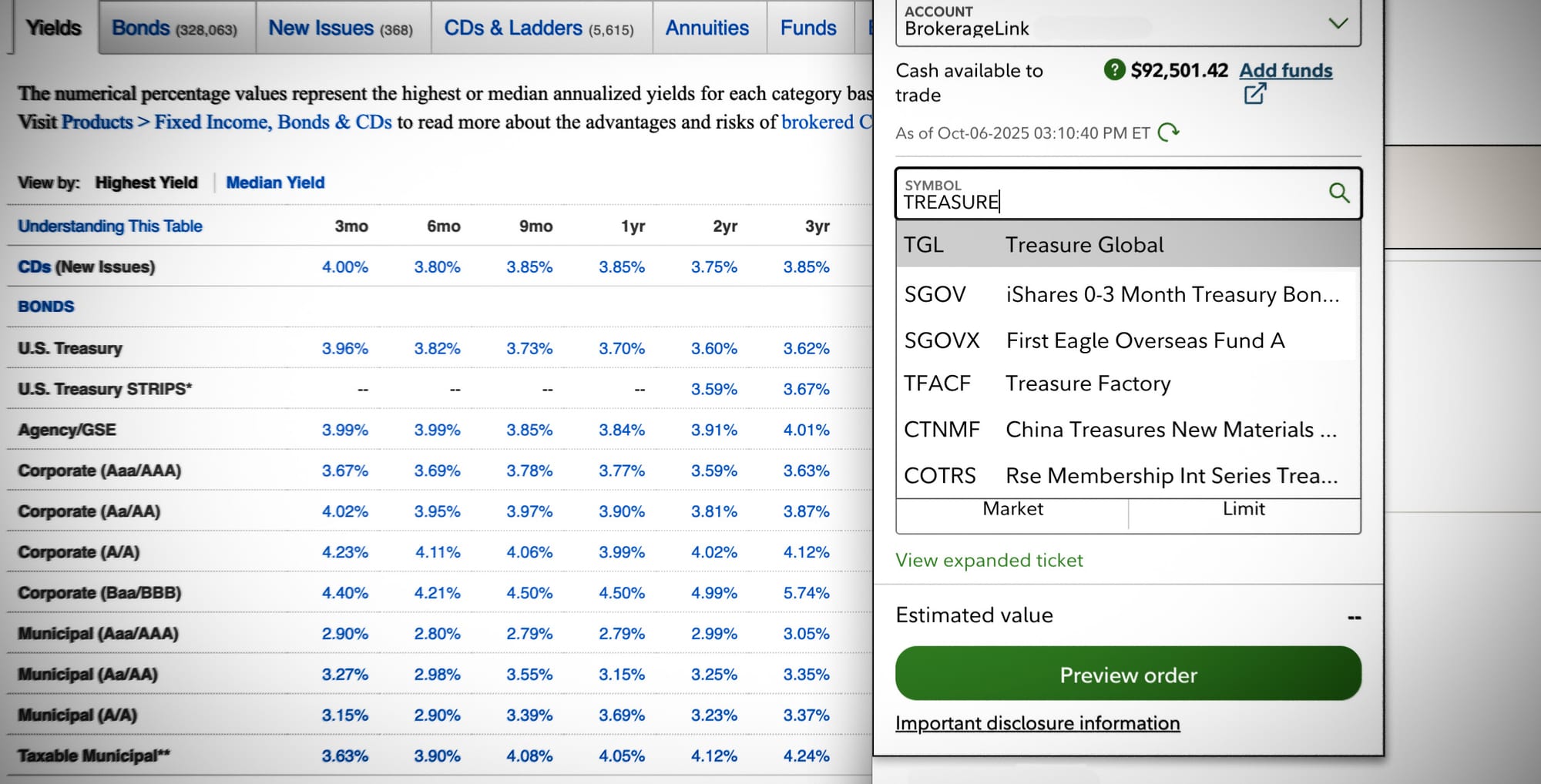
What began as a conservative bond allocation ended with one New Jersey man taking on catastrophic single-issuer risk.
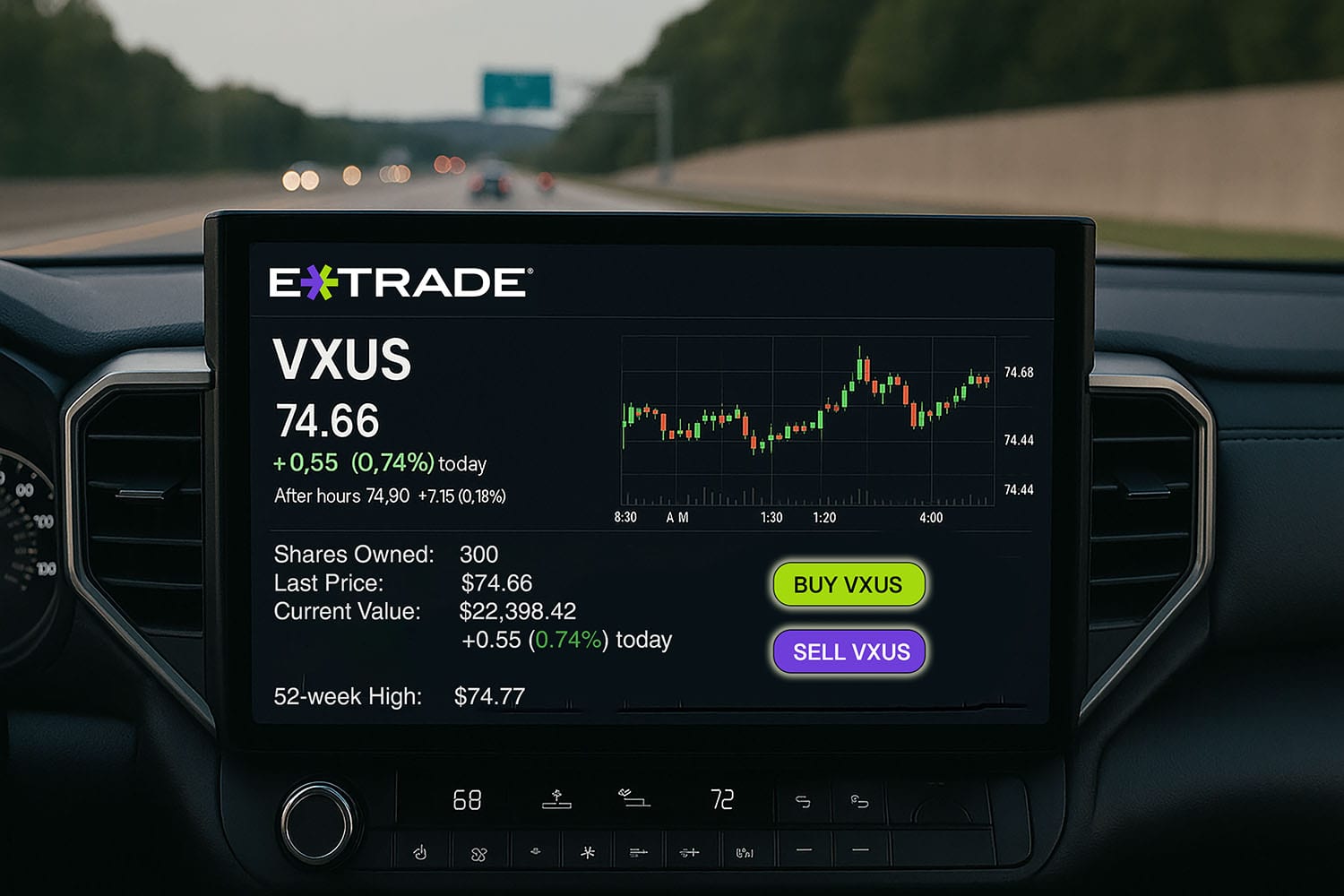
Watch out MoneyMutants, this one is BRUTAL! In a cautionary tale for retail investors and the entire concept of spelling, 58-year-old Wayne Culter of Hackensack accidentally wired $80,000 from his retirement portfolio into Treasure Global Inc. (NASDAQ: TGL) after misreading his brokerage app’s dropdown list and confusing it with U.S. Treasuries (NYSE: SGOV).
“I wanted something slow and steady,” said Culter, who has since described his investment as “yield exposure with emerging-market upside.” “So when I saw ‘Treasure Global,’ I figured it was just the international tranche of Treasuries. I thought maybe they’d globalized the bonds or something.”
Instead, he became one of the larger U.S. shareholders in a Malaysian e-commerce rebate company with $11,000 in cash on hand, 24 million outstanding shares, and a single employee listed on LinkedIn as “doing everything.”
The thinly traded stock, which Culter believed represented “short-term paper,” is down 83% year-to-date. “That’s just duration risk,” he said. “Rates move, things happen.”
According to SEC filings, Treasure Global operates the "ZCITY" app, a cash-back platform for Malaysian consumers. According to the company's Twitter feed, however, it is a "digital gem" powered by "cutting-edge Artificial Intelligence" that is simultaneously poised to break into the "$212.4 billion gaming market" and revolutionize Malaysian TikTok with an "AI Robot for Live Commerce."
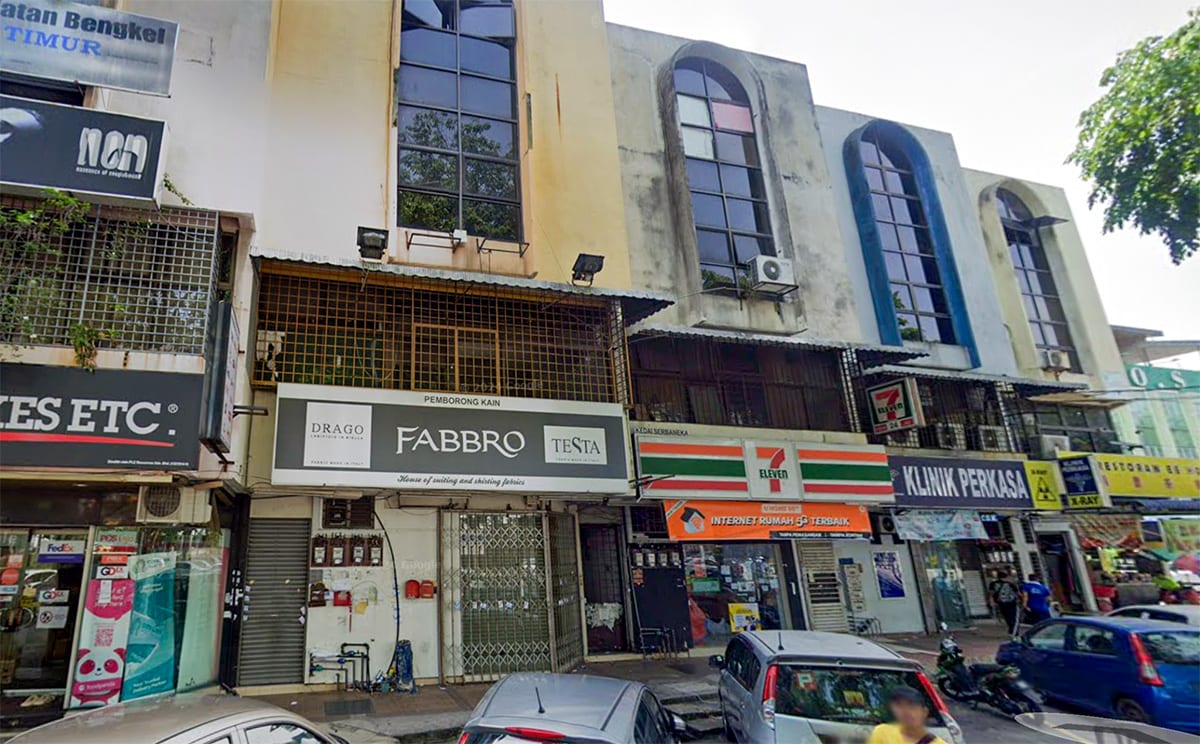
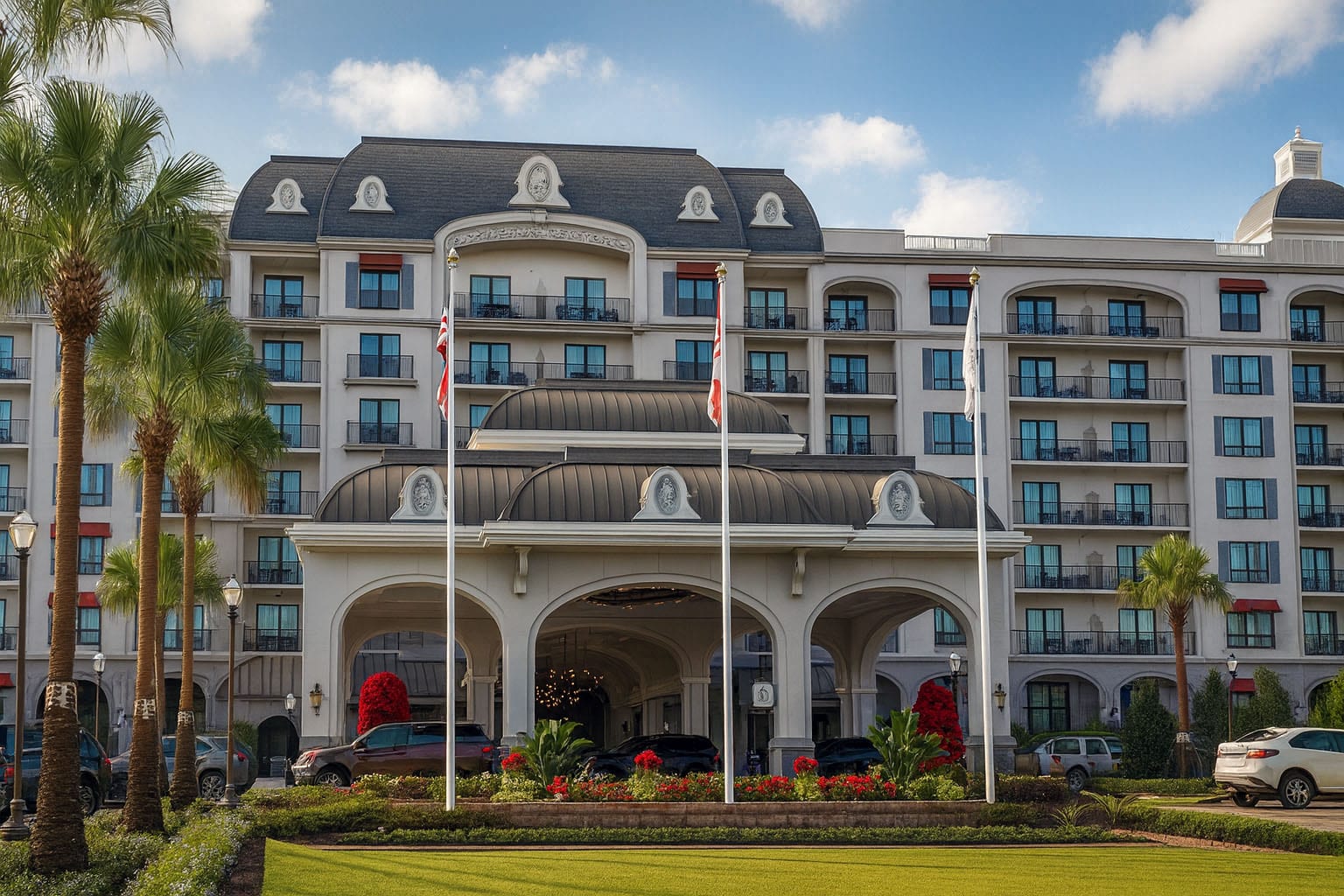
Pictured: Last Reported Global Headquarters for Treasure Global, Inc. When reached for comment, Treasure Global’s investor relations team declined to confirm whether they considered Culter’s investment part of a “bond allocation.”
Buried deep in the company’s own 10-K filing—the first result on Google for their name—is a legally required disclosure from their own auditors stating that the company's "continued operations are in doubt." When presented with this, Culter called it "a standard forward-looking statement" and noted that "all emerging growth companies face a little uncertainty."
After realizing the mistake, Culter tried to reframe the error through what experts describe as “terminal rationalization.”
“Look, at the end of the day, it’s still diversification,” he said. “I’ve got U.S. equities, some gold, and now international small-cap fintech. You can’t get that kind of alpha in Treasuries.”
Asked whether he intended to sell, Culter demurred. “I’m in this for the long term. You don’t day-trade sovereigns.”
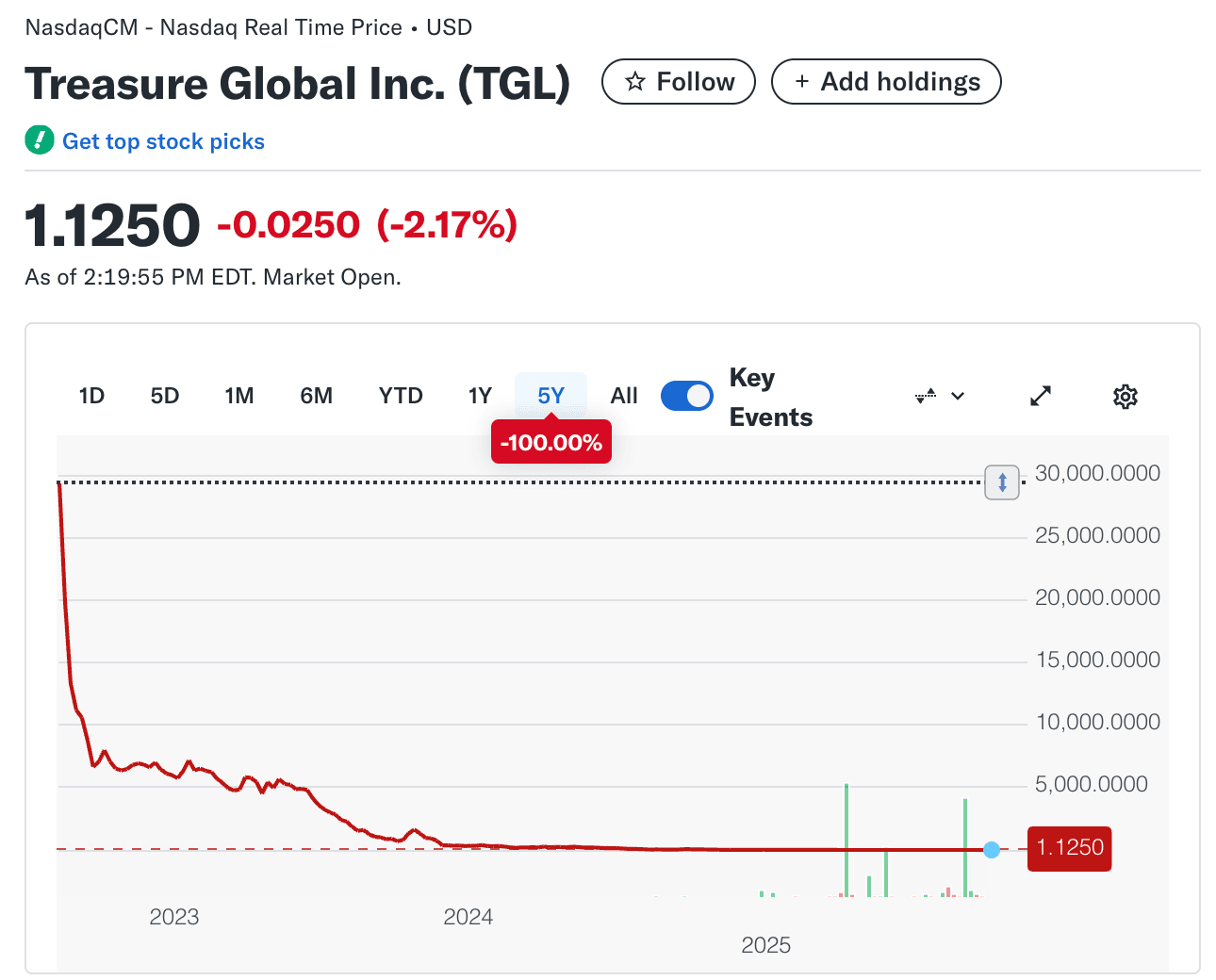
Analysts say there’s technically nothing illegal about Culter’s transaction but that it represents “a moral crime against financial literacy.”
“This is what happens when a retail investor sees a noun vaguely resembling another noun and decides that’s close enough to risk-free government debt,” said Morgan Keane of Fidelity Personal Finance Insights. “It’s not fraud, but it’s spiritually negligent.”
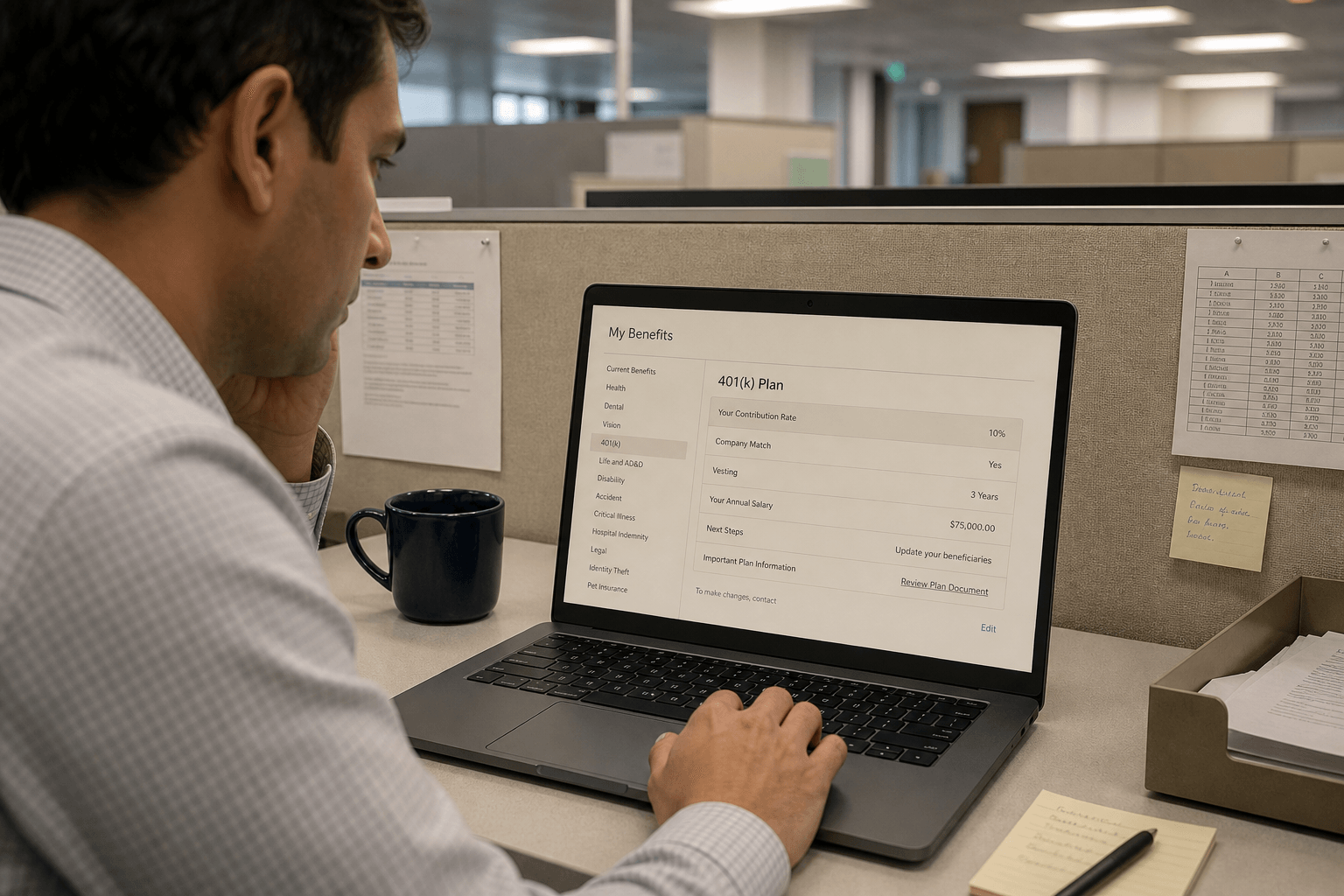
In late September, after TGL missed yet another filing deadline, Culter reassured himself by updating his portfolio spreadsheet.
“I put it under ‘Emerging Market Debt,’” he said. “It’s the same thing. Bonds, stocks—whatever. It’s all yield instruments at the end of the day.”
He’s since told friends that the position “gives him exposure to Southeast Asian consumer dynamics,” though he remains unaware that Treasure Global’s market cap now approximates the value of a modest two-bedroom in Wildwood.
“I guess I’m kind of like a venture capitalist now,” Culter said. “Only difference is my venture didn’t ask me to invest. I just clicked it.”
This weekend, seeking “boots-on-the-ground insight,” Culter drove to the Hidden Treasures Gift Shop in Wildwood, NJ, believing it might be affiliated with the company, potentially as a U.S. subsidiary.
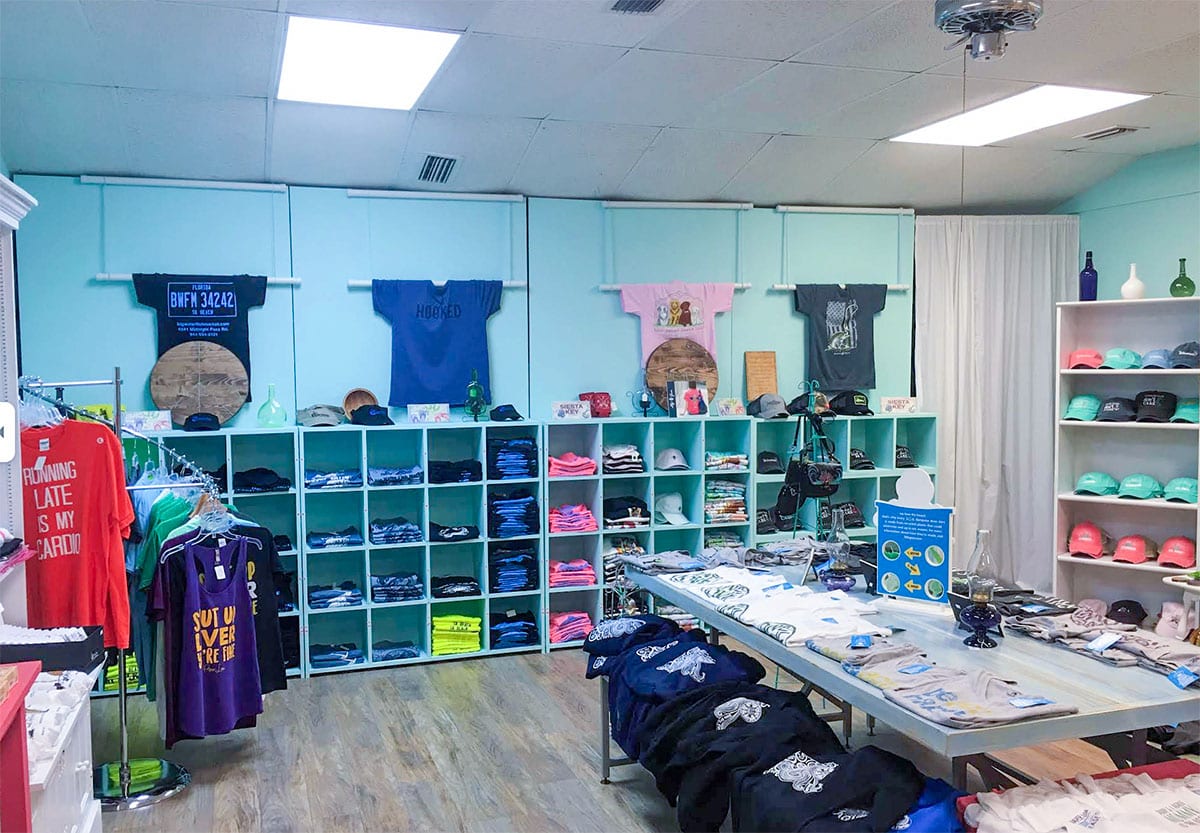
“Looks promising,” he said, browsing a shelf of discounted mugs. “Strong revenue visibility in the taffy segment. I think they’re going to rally.”
He later texted his financial advisor that he was “holding through the cycle” because “this kind of inefficiency is exactly what passive investors miss.”
According to brokerage records, his $80,000 position is now worth approximately $612.55, as of the publication of this article.
Asked whether he still considers it a sound investment, Culter paused. “It’s all about time horizon,” he said. “And learning experiences." Oof! We are glad not to be this guy.
The Mistake, By The Numbers:
| Metric | SGOV (intended) | TGL (actual) |
|---|---|---|
| Asset Type | U.S. Short-Term Treasury Bill ETF | Malaysian Cashback App Microcap Stock |
| Total Assets Under Management | $57.95 Billion | $11,072 (U.S. dollars) |
| Government Backing | Full faith and credit of the United States | A guy named Michael in Kuala Lumpur |
| Annual Yield | +5.2% | -83% (so far) |
| Average Daily Volume | 12.37 million shares | 12, most of them Wayne’s |
| Managing Firm | iShares by BlackRock | Michael |
| Headquarters | New York, NY | Suite 2B above a 7-Eleven somewhere in Malaysia |
| Top Holdings | Short-Term U.S. Treasury Bills | 1 employee laptop and a company Canva subscription |
| Liquidity | Instant | Virtually zero |
| Credit Rating | AAA | TBD / “spiritually junk” |