
The National FabricN · The Enrollment Economy
N1N
Meal-Plan Aristocrats
A bed and a dining hall for $20,786 a year, before anybody has mentioned tuition.

Reference marketFirst identified in Wellesley, Massachusetts (ZIP area 02457).
Also found inPrinceton, New Jersey; Winston-Salem, North Carolina; Northampton, Massachusetts; Atlanta, Georgia; Malibu, California.
Thesis
The household consumes at the ninety-ninth percentile and earns at the first, because the earner is four hundred miles away and the bill arrives in August.
The most expensive room and board in the country, billed to a household that does not live here.
Portrait
In their own words
- Age19
- Income$0
- Net worth$0
- EducationIn progress
- HomeA double with a shared bath
- Ownership0%
- HouseholdOne resident, one roommate, one resident adviser, no household
- VehicleNone permitted until junior year
- Debt$0 personally. $31,000 a year in the parents' name
- Vice
- The unlimited plan
- Most likely to
- Describe the dining hall as one of the better ones
- Signals
- Lanyard, quarter-zip with a crest, a laundry card
Who they are
One resident, nineteen, no income, no household, and $20,786 in annual room and board — the bed and the food alone, before a course has been paid for. The invoice goes to an address four hundred miles away. She is studying something with the word management in it and has a business plan she will describe unprompted, in full, including the total addressable market. The dining hall is a talking point. The gym is newer than any gym her parents have used. She has never seen a utility bill and will not for three years, and when she does she will be surprised by it, which is the entire product.
Our neighborhood
Ninety-nine per cent of the people here live in a building owned by the institution, and the institution owns the ground, the parking, the mailroom and the coffee. Median age nineteen. Nobody is married. Nobody has a car. Everything is a nine-minute walk because it was built to be a nine-minute walk. The nearest household — an actual house, with an actual mortgage — is a mile away and worth $2.2 million, and the two populations share a ZIP code, a post office and nothing else.
Shopping
Nothing is bought, everything is included, and the included things are extraordinary. Coffee is on a card. Laundry is on a card. The card is on the invoice. Actual purchases are small, frequent and entirely discretionary — a $9 iced drink, a sweatshirt with the crest, a flight home at Thanksgiving booked by somebody else.
Spending
Room and board $20,786. Tuition is a separate number that is not discussed in front of the student. Personal spending runs perhaps $200 a month against an income of zero, which is the healthiest cash-flow position anyone in this atlas will ever occupy and the only one nobody recognises as such.
Media
Three group chats, one of which is the floor. A podcast about founders. The institution's own communications, read closely, because they contain the housing lottery. She follows several people who dropped out of a school like this one and became famous for it.
Interests
The entrepreneurship club, the a cappella audition, a semester abroad already selected. Skiing, in the sense of having been. An internship secured through somebody her father knows, described in conversation as competitive.
Where they live
Darker is more of them.
N1 · MEAL-PLAN ARISTOCRATS
ZIP CODES
—
How thick on the ground
$88K
Median household income
1.22× the national median
$679K
Typical home value
2.54× the national median
7.6×
Home value against income
2.02× the national median
53%
Bachelor's degree or higher
2.27× the national median
41%
Owner-occupied
Share of occupied units
$2,382
Median gross rent
Monthly, contract plus utilities
2.26
Average household size
Persons per occupied unit
30.9
Median age
Years
How they compare
Against the average American household.
Median household income
1.22×
$88K here$72K everywhere else
Typical home value
2.54×
$679K here$267K everywhere else
Bachelor's degree or higher
2.27×
52.7% here23.2% everywhere else
Home value against household income
2.02×
7.60× here3.76× everywhere else
Who lives next door
Household types that turn up on the same blocks.
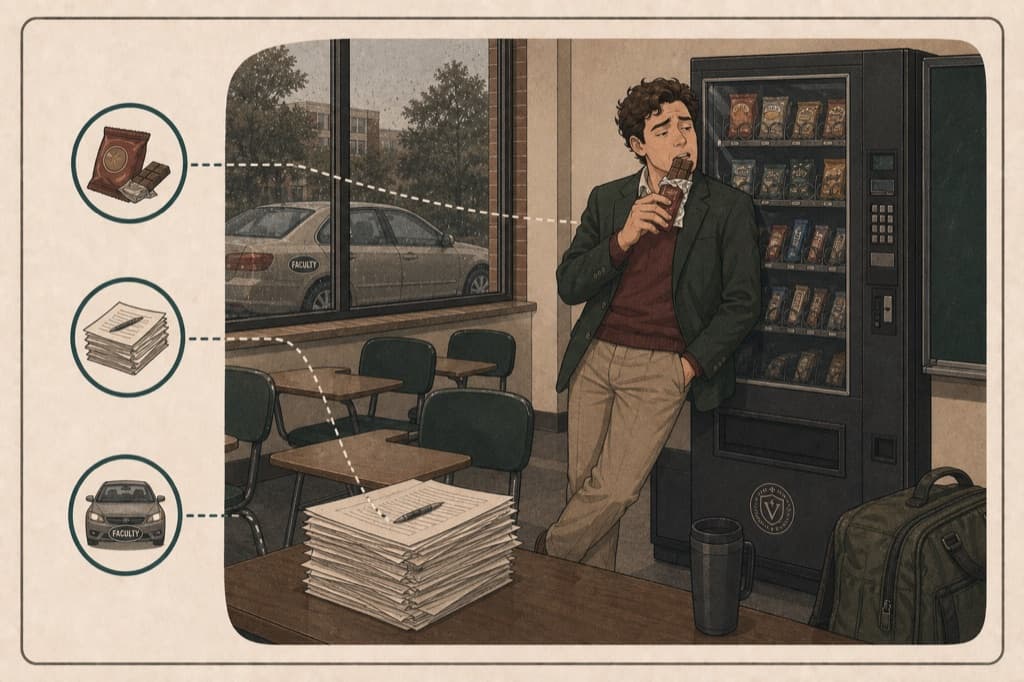 J4Adjunct OuroborosA PhD teaching five classes at three campuses while students ask if office hours are mandatory.
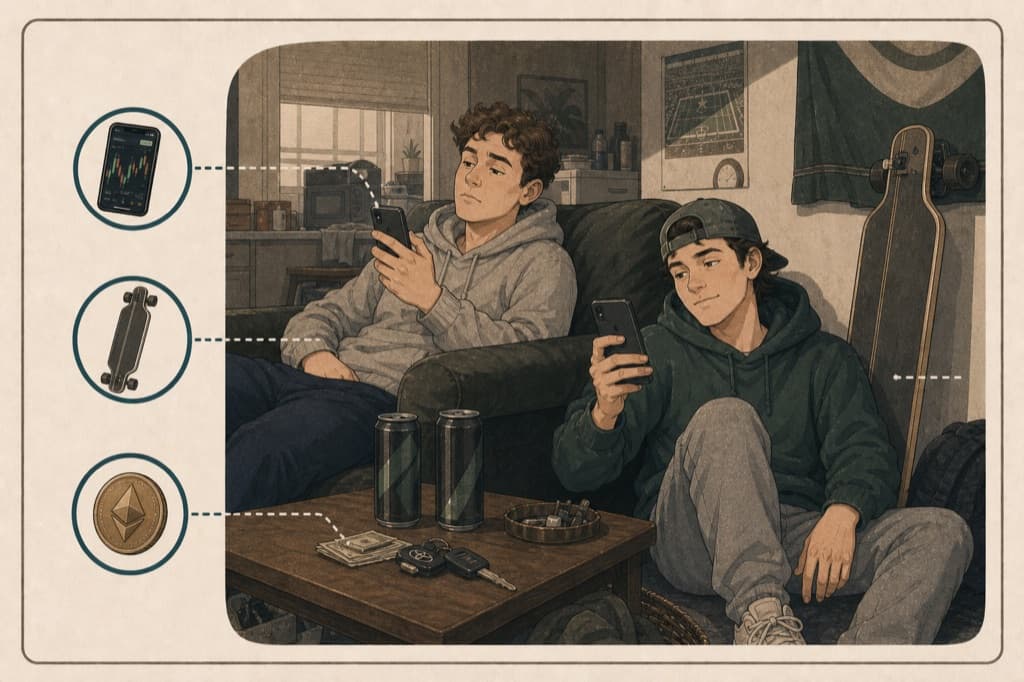 I10Crypto Sportsbook SophomoresCollege-adjacent men who discovered leverage before compound interest.
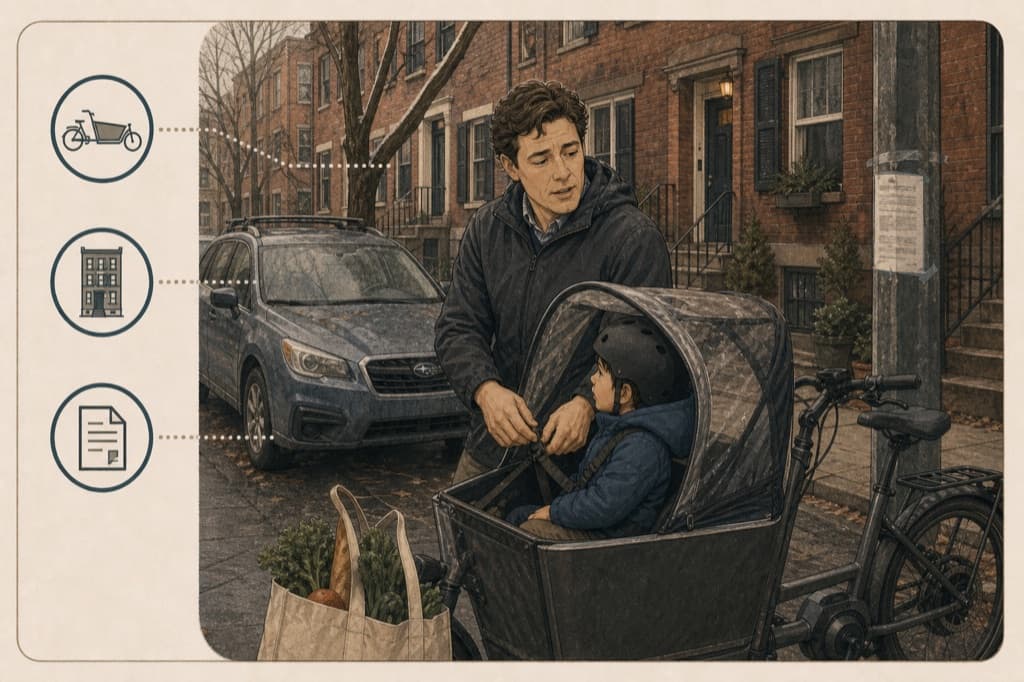 M9Cargo-Bike CapitalistsA $2.1 million townhouse, a $9,000 electric cargo bike, and a structurally sophisticated critique of the system that produced both.
 D4Vape Cloud CollectiveA studio apartment, gaming PC, and blue-razz fog visible from space.
 J1Credentialed DriftTwo master's degrees, one nonprofit salary, and a sense the meritocracy skipped their mailbox.
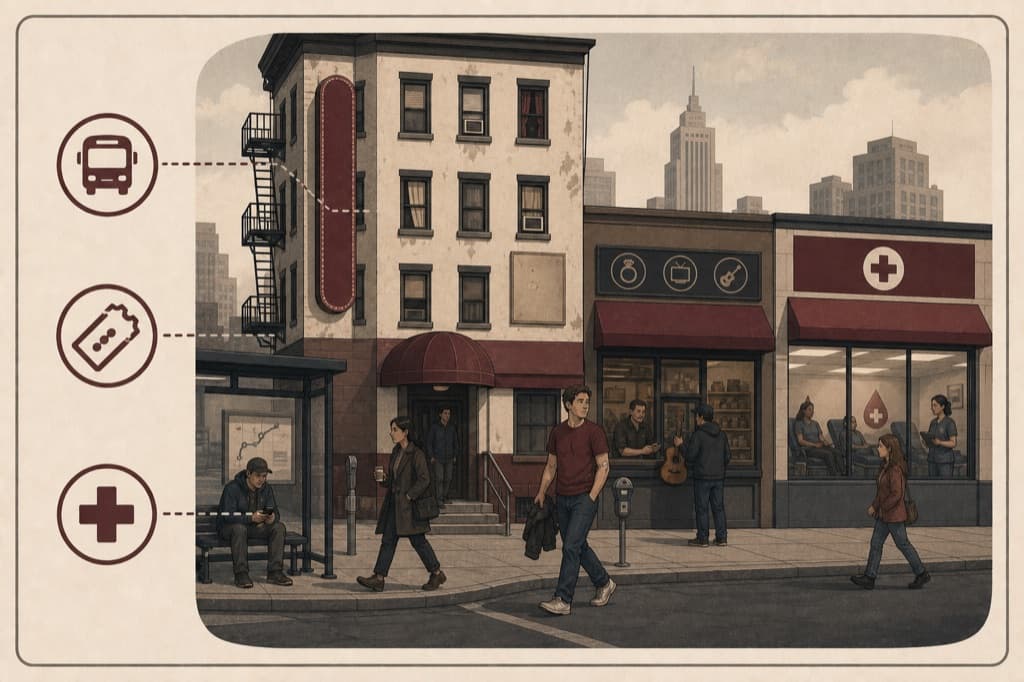 K1SRO & SyringesThe intersection where housing policy, the Sackler dividend, and the carceral system share one ZIP code.
The receipts
- 01Residents living in college housing98th13.0%
- 02Annual room and board90th$18K
- 03Enrolled in college96th25.1%
- 04Median age10th30.9 yrs
- 05Never-married adults94th56.9%
- 06Rural-urban continuum position11th0.06
- 07Walks or bikes to work90th14.1%
- 08People per square kilometre91st4,419 /sq mi
- 09Foreign-born residents85th18.0%
- 10College enrolment per resident67th0.47
SourcesFigures from the U.S. Census Bureau, the Department of Agriculture and the Department of Education. Everything else is observation.